


By Allison Peck
Federal officials are acknowledging ongoing challenges in helping Nebraska ranchers recover from the state’s largest wildfire on record, as producers continue to face delays and limitations in accessing disaster assistance.
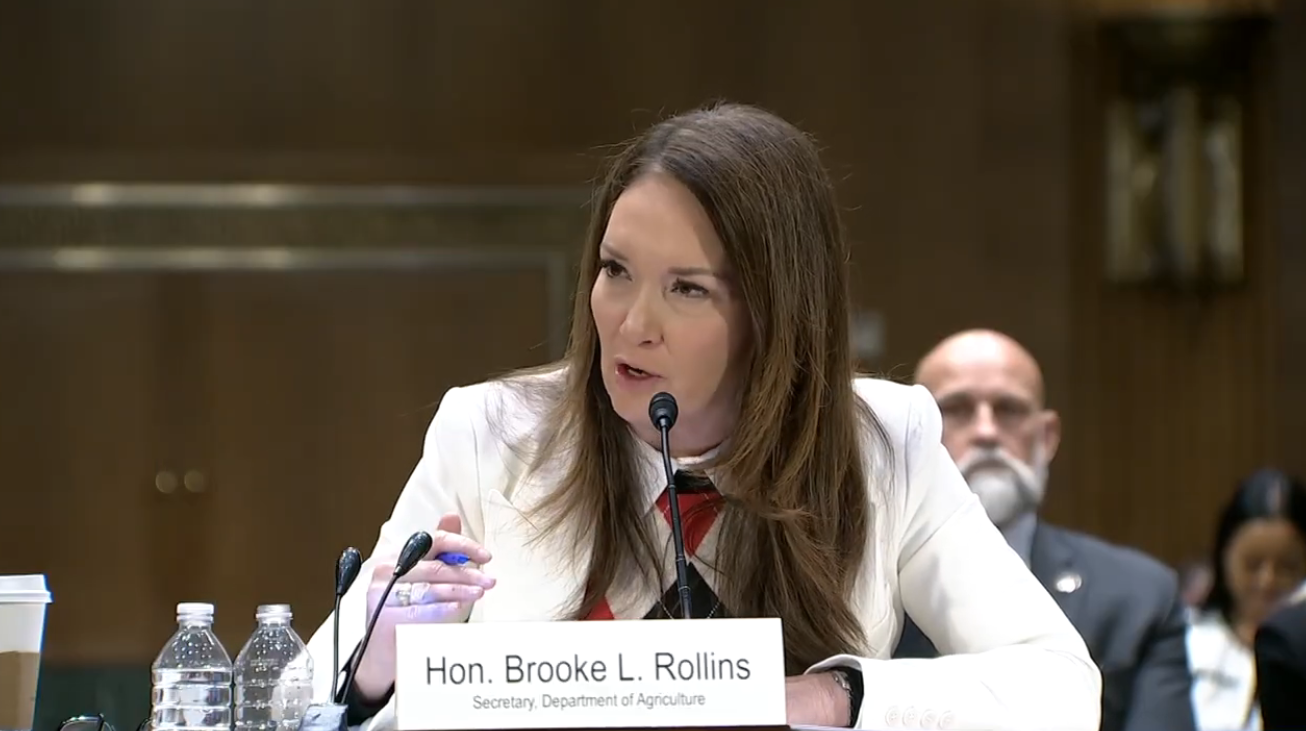
During a recent Senate hearing, Deb Fischer questioned Brooke Rollins about the response to the March wildfires that burned more than 800,000 acres across the state.
Fischer described the scale of the disaster, saying it was “over 800,000 acres burn, largest fires in Nebraska,” and called it “devastating.” She also thanked Rollins for visiting the state, saying her presence “sent … a good message to the people and communities that are suffering.”
Rollins emphasized the national significance of the fires, saying it was “one of the worst disasters in Nebraska’s history, the largest fire in Nebraska’s history, the eighth largest in American history.” She added that because it occurred in rural areas, “it didn’t get the focus and the amplification that it needed.”
The Agriculture Secretary pointed to the long-term impact on producers, saying “the devastation to our ranchers and farmers … is real,” and warning some operations may not recover. She said ranchers are “talking about losing generations of cattle farms because they’re not going to be able to graze because the land has been burned at least for 18 months or so.”
At the same time, Fischer raised concerns about ongoing frustrations with federal disaster programs, saying producers report the process is “very complicated, very time consuming.” She added that some requirements do not reflect conditions on the ground, noting producers have been “required to use a specific size of T-post to receive federal assistance,” even when supplies are unavailable following the fires.
Rollins acknowledged those concerns and shared an example from a Nebraska producer who contacted her directly. She said the farmer reported that “the funding is coming through to dig whole new wells, but we don’t need to dig new wells. We just need new component parts. But under the current way the rules are written … we can’t get that.”
She said that kind of feedback is being used to make adjustments, adding her team is working “as quickly and nimbly as is humanly possible” to improve the system.
Rollins also said she has directed federal staff to respond more aggressively to local needs, stating, “we’ve given our FSA leads in all of these states with the disasters … the ownership to be able to go out and make some of these decisions so they’re not strung up in bureaucracy.”
Fischer said Congress is also working to address some of the barriers, noting she has introduced legislation aimed at making disaster programs more flexible for producers.
As recovery continues, both officials indicated that improving access to aid — and ensuring it better reflects real-world conditions — remains a priority for Nebraska’s agricultural communities.