


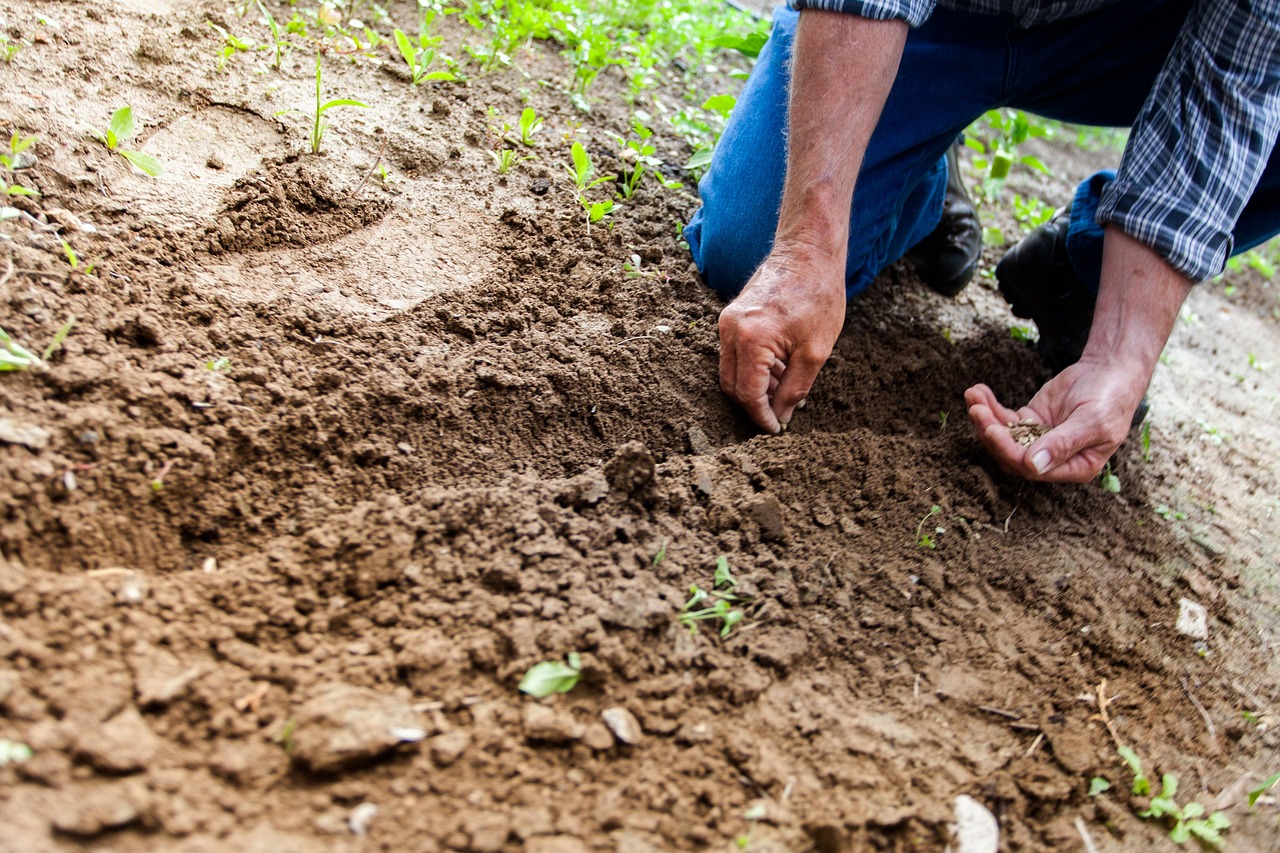
The recent warm temperatures have many gardeners itching to get outside and start planting. While it may feel like spring has arrived, now is not the ideal time to plant most vegetables outdoors in Nebraska. However, it is one of the best times to start planning—and even planting indoors—for the upcoming vegetable season.
Starting your own transplants might sound intimidating, but it doesn’t have to be. With a little planning and a few simple supplies, growing your own seedlings can be both rewarding and cost-effective.
The first step is deciding what you want to grow. Once you have your list, sort vegetables into two groups: those that should be direct seeded into the garden and those that grow best as transplants.
Vegetables such as beans, beets, cucumbers, pumpkins, squash, melons, peas, lettuce, and other greens are ideal for direct seeding. Their roots do best when planted directly into garden soil.
Other vegetables—including broccoli, cabbage, cauliflower, kohlrabi, eggplant, peppers, and tomatoes—perform better when started indoors and later transplanted into the garden.
Next, divide your vegetables into cool-season and warm-season crops. Cool-season crops like broccoli, cabbage, cauliflower, and kohlrabi tolerate chilly spring temperatures and even light frost. These can be planted in the garden earlier in the season.
Warm-season crops such as tomatoes, peppers, and eggplant need warmer soil and air temperatures. In most of Nebraska, these should not be planted outdoors until after the threat of frost has passed—typically around Mother’s Day.
Once you know what you’re planting and when it can go outside, it’s time to grab a calendar. Cool-season crops can usually be planted outdoors between April 1 and May 10. Because these plants need about six to eight weeks to grow indoors before transplanting, seeds should be started as early as mid- to late-February.
Warm-season crops also require about six to eight weeks of indoor growth. If they are going into the garden around May 10, seeds should be started in late March.
Keep in mind that these are general guidelines. Nebraska weather is unpredictable. Planting earlier always comes with some risk, so be prepared to protect plants if temperatures drop.
When it comes to supplies, there are many options available for starting seeds indoors. Plastic trays, cell packs, peat pots, and compressed peat pellets can all work well. The best container is one that fits your space and budget.
Equally important is choosing the right planting media. Garden soil should not be used for starting seeds. It is often too heavy, drains poorly, and can crust over, making it difficult for seedlings to emerge. Instead, use
a soilless seed-starting mix or potting media designed for containers. These mixes are lightweight and drain well, giving young seedlings the best start.
After filling containers with media, plant the seeds according to package directions. In cell packs, plant one to three seeds per cell to ensure at least one germinates. In trays, space seeds far enough apart so seedlings can be transplanted easily later. Lightly cover seeds with fine potting mix or vermiculite and water gently with a mist or fine spray.
To maintain humidity during germination, use a clear plastic cover or loosely place plastic wrap over the container. Once seedlings emerge, remove the cover to prevent excess moisture.
Light is critical at this stage. A bright, sunny window may work, but supplemental lighting often produces stronger plants. If seedlings begin stretching tall and thin, they are not receiving enough light.
Starting seeds indoors is just the beginning of a successful garden season. Planning ahead now will set you up for healthier plants and better harvests later. Stay tuned—more tips for a productive vegetable garden are coming soon.