


No-cost financial education resources available online for Nebraskans
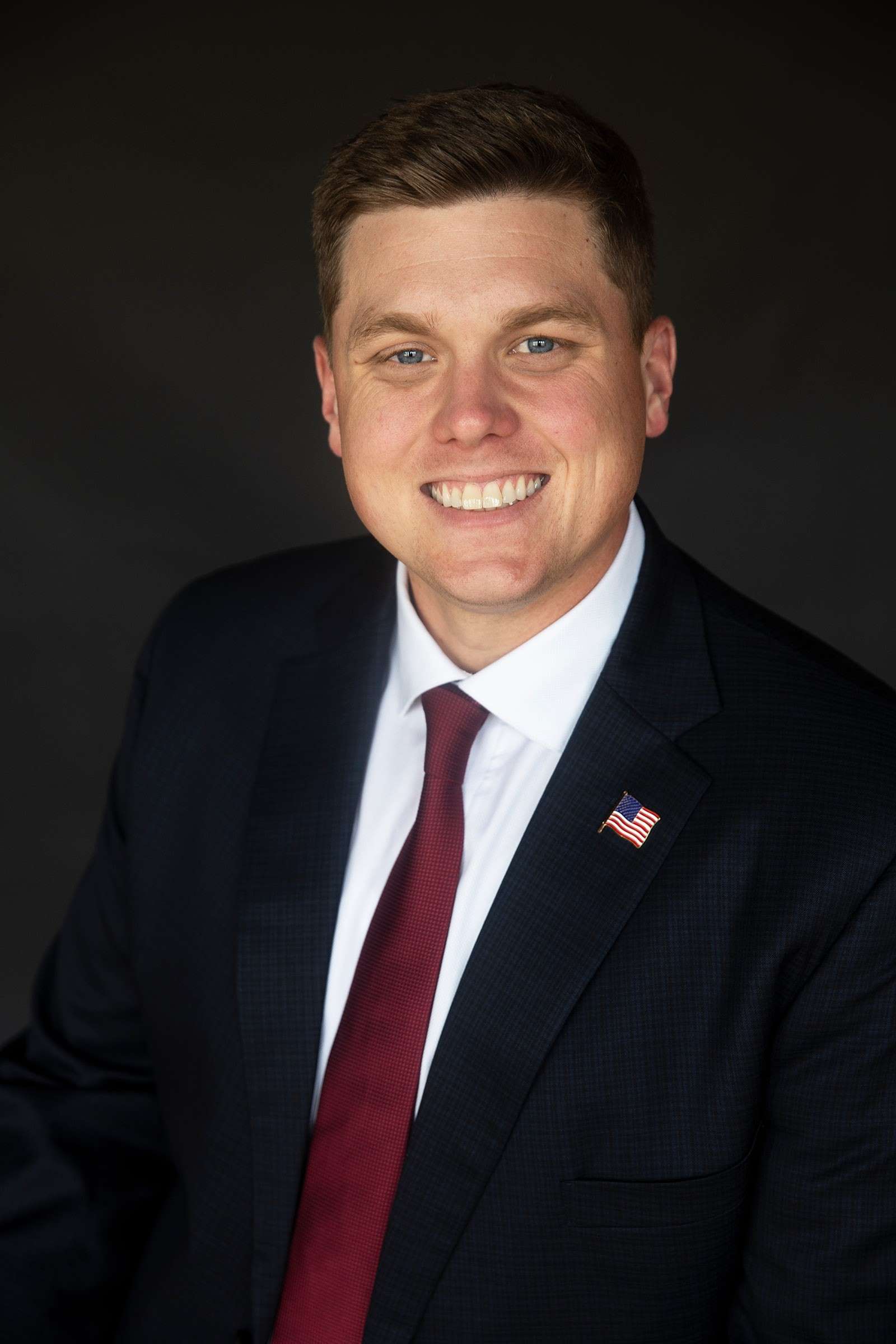
(LINCOLN, Neb.) — April is Financial Awareness Month in Nebraska. To help Nebraskans grow their financial knowledge, State Treasurer Joey Spellerberg is urging Nebraskans to use free resources at his website, treasurer.nebraska.gov.
“As the state’s chief financial officer, I can attest that financial awareness is the surest way to build lasting stability and a stronger economic future,” Spellerberg said. “Whether it’s learning about compound interest or inflation, or saving for life goals — like higher education or homeownership — being armed with knowledge helps us plan for what’s ahead and navigate money-related challenges.”
Since 2014, the State Treasurer’s Office has provided no-cost financial education resources to Nebraskans, including K-12 students. Recently, new financial education resources were added to the Treasurer’s site. Topics include:
· Understanding key financial concepts (budgets, bank accounts, credit cards); · Managing and eliminating debt (debt management and consolidation, overdraft fees); · Reaching savings goals (investment growth calculator); · Preparing for homeownership (mortgages, refinancing tool); · Protecting health and wealth (emergency savings, health savings accounts, insurance); and · Saving for higher education through programs like NEST 529.
In recent years, Nebraska has been ranked among the nation’s best states for financial literacy by independent publications, including a No. 1 ranking by Credit Secrets and No. 3 by WalletHub.
Nebraska requires students to complete financial literacy coursework prior to high school graduation, as well as financial literacy instruction in grades K-8. Programs like the In-School Savings Programs and the Stock Market Game, overseen by the Nebraska Council on Economic Education, bring real-world experience to Nebraska students.
“A financially aware Nebraska is a financially secure Nebraska,” Spellerberg said. “The Treasurer’s Office is committed to making the Good Life even better through financial literacy.”